Traffic Management Plans (TMP / CTMP) FAQs
A TMP is a detailed plan that shows how traffic (vehicular, pedestrian) will be controlled and diverted during construction roadworks, events, tree surgery etc ensuring safety and compliance with local authority/highway regulations.
Usually for any works on or adjacent to public highways, road closures, lane closures, diversions, or where traffic will be disrupted. Many local authorities/planning departments require approval of TMPs before granting permits or planning consents.
Standard turnaround for a TMP is two working days. If you require a faster turnaround, or even same day, please contact us as we are usually able to accommodate such requests.
If can let us know your event or works area and the area you require to be closed from the public, we can then work out the traffic management solution around that.
Yes. We can manage approval submissions to local authorities, ensure compliance with their standards, address comments, and resubmit if needed.
We will revise the plan according to their feedback, address concerns, and resubmit. Our experience and knowledge of local authority requirements help minimise rejection rates.
Yes, although changes require updating the plan, re-evaluating impact (especially for safety), communicating with stakeholders, and possibly re-submitting to the authority. We can support modifications. Depening on what the changes are, there may be a charge.
Vehicle Swept Path Analysis (VSP / Vehicle Movement Analysis) FAQs
It’s a simulation/drawing that shows how vehicles (especially large or articulated) will manoeuvre through your site layout or roads. This ensures vehicles can safely turn, reverse, pass, or navigate without hitting kerbs, buildings, or other obstacles.
When access for large vehicles is constrained
In complex junctions, tight turns, narrow roads
For construction site deliveries, haulage, waste removal
For verifying that fire engines, refuse trucks, or large service vehicles can access
Road/site layout/geometry
Vehicle types to simulate (dimensions, turning radius)
Proposed paths/routing
Crash barriers, obstacles, gradients, kerbs
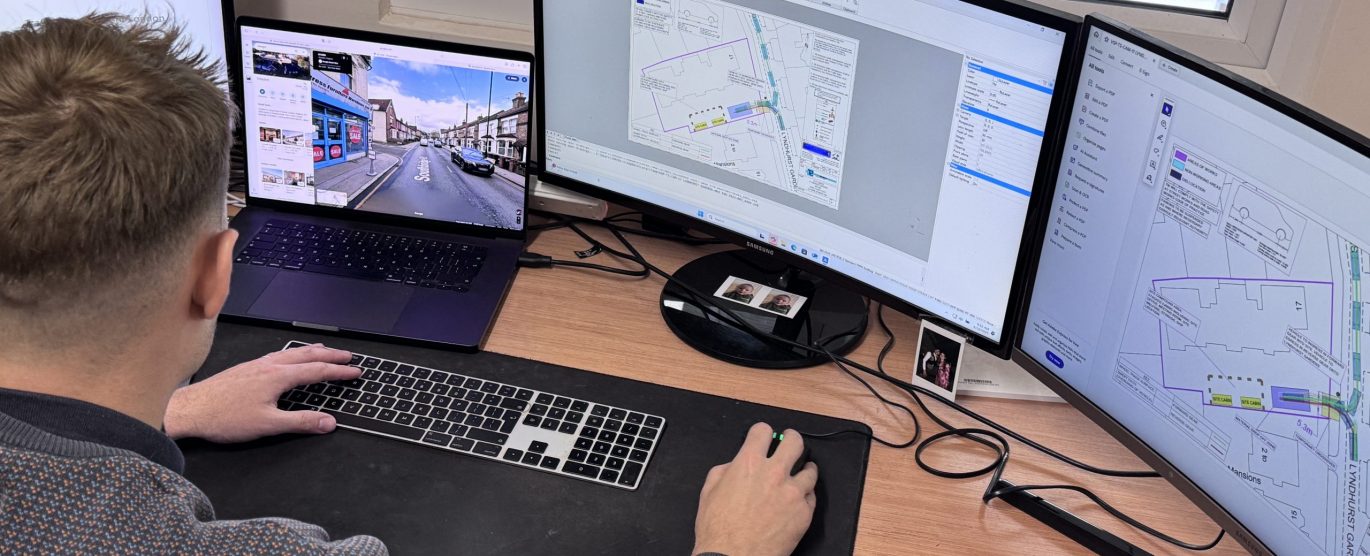
Yes, we use specialist CAD/simulation software to model vehicle paths and produce drawings for approval submission.
Yes. Our analysis may recommend route changes, vehicle changes, or changes to the location of equipment.
Physical Traffic Management & On-Site Measures FAQs
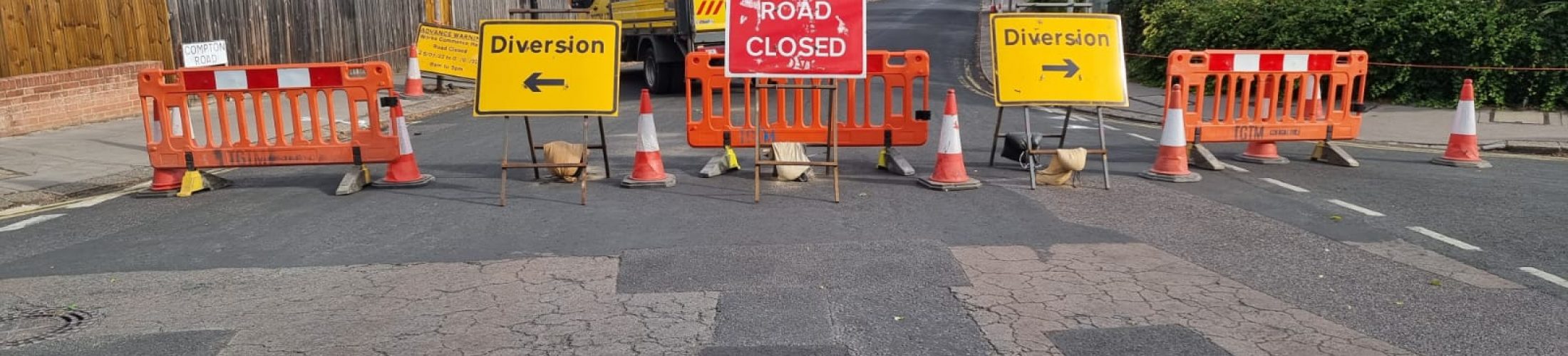
It includes deploying traffic control measures on-site: signage, cones, barriers, temporary traffic lights, stop & go works signs, pedestrian barriers, crossings, diversions, etc.
Yes, we have an extensive inventory of a diverse range of traffic management equipment, our own fleet of vehicles and skilled operatives who can install and remove all traffic management equipment required.
We ensure safe pedestrian routes around works by using signage, barriers, ramps, diversions, crossing points — all designed to maintain accessibility and minimise disruption.
It’s the planned closure of all or part of a road or lane to enable safe works. Diversions are alternative permitted routes for traffic and pedestrians during the closure.
Other Specialist Services FAQs
It ensures during works you maintain safe, legal, and accessible routes (ramps, tactile paving, dropped kerbs, crossing points) for people with disabilities, complying with regulations and best practice.
A CMP is a broader planning document (often legally required) that covers how construction will be managed: site logistics, traffic movements, deliveries, access, parking, environmental controls, waste, noise, etc.
We produce bespoke models and reports to assess how your proposal or works will impact the existing road network (traffic volumes, delays, queuing). This is often needed for planning applications, environmental assessments, or local authority/highways approval.
Many local authorities require TMPs, VSPs, CMPs, and Traffic Impact Assessments as part of planning or to obtain highway permits. By providing technically sound documents, we support you to meet those obligations and reduce objections or rejections.
Our success rate is ~98% first-time submission approval for supplied documents for CTMPs and CMPs.
We can offer traffic management planning and consultancy throughout the whole of the UK.We can offer physical traffic management: installation, hire, maintainence and removal of all equipment required throughout the Southeast of England.
Costs vary depending on the complexity, scale, location and duration required. It’s best to contact us with your project details to receive a tailored quote.
Provide us with your project location, scope, drawings, timeline, traffic constraints, and we’ll prepare a proposal. Please email or call us to discuss your requirements.
Usually: CAD drawings, reports (TMP, CMP, VSP), liaison with local authorities, revisions based on feedback, and support through any approval stages.
All plans follow relevant highways standards, local authority guidance, safety best practices, and statutory regulations. We have over 20 years experience of providing traffic consultancy and traffic management services.
About Us
We, alongside TGTM LTD, are proud providers of numerous Traffic Management Plans and Traffic Management services and solutions and our 20+ years of experience allows us to provide an efficient, reliable and prompt service – every single time.