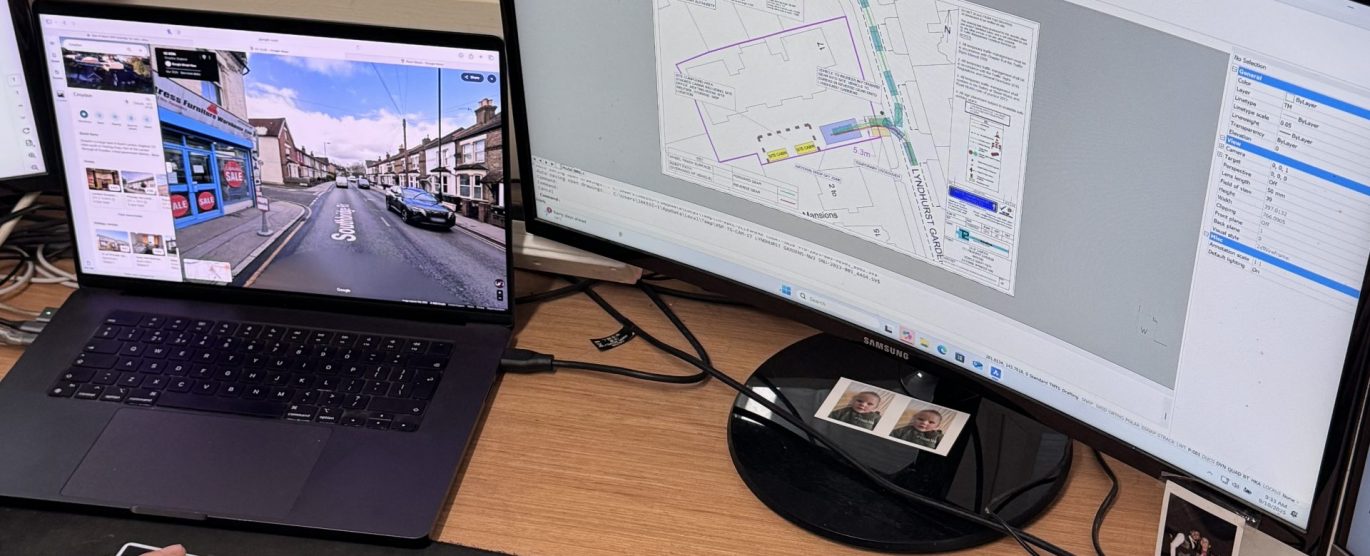
Whether you need a basic lane closure a complex multi-phase traffic light system, we can create TM plans to meet your needs. We may prepare TM Drawings well in advance of any proposed projects by coordinating with the appropriate authorities, utility companies, and contractors. This eliminates the need for protracted site meetings.
TM Drawings – to the highest standards
Our TM Drawings are produced to the greatest standards and include information above what is necessary.
This indicates that 98% of the time, our drawings are accepted without the need for revisions. This provides a clear and simple-to-read blueprint that facilitates the TM’s implementation while saving time and money.
A building site has to be arranged in accordance with UK law so that site routes may safely transport both people and vehicles.
The routes must be suitable for the people or cars using them, in terms of quantity and size, and at suitable locations. Vehicles include automobiles, vans, trucks, low-loaders, and mobile equipment including site dumpers, excavators, and lift trucks, among others.
The primary lesson is that accidents involving vehicles on building sites may and should be avoided by careful control of transportation activities during the building phase.
Key issues in dealing with traffic management on site are:
- Keeping pedestrians and vehicles apart
- Minimising vehicle movements
- People on site
- Turning vehicles
- Visibility
- Signs and instructions
Around 10 construction workers lose their lives each year as a result of being hit by cars on the job site. There are also hundreds more injuries and accidents that may have been avoided.
From foundation work until completion, accidents can happen, putting management, employees, site visitors, and the general public at risk. Many accidents involving construction vehicles are caused by inadequate planning and control.
Keeping pedestrians and vehicles separate with TM Drawings
Inadequate pedestrian and vehicle separation is the primary cause of most construction transport accidents.
Most of the time, this can be prevented with good planning, especially during the design phase and by managing vehicle activities while building is underway.
The following actions will help keep pedestrians and vehicles apart:
Entry and exit points: designate distinct entry and exit points for automobiles and people;
Walkways: provide stable, level, well-drained paths for pedestrians that, whenever feasible, follow direct routes;
Crossings: places where sidewalks intersect with roads should have a marked crossing point with adequate lighting so that both cars and pedestrians can see each other easily;
Visibility: before using a footpath, make sure that vehicles heading onto public roads can see both ways along it;
Obstacles: avoid obstructing pathways to force pedestrians to cross the path of moving vehicles; additionally, consider erecting a barrier between the walkway and the road.
Minimising vehicle movements with TM Drawings
The amount of vehicle mobility at a location can be reduced with careful planning. For instance, landscaping to lessen the amount of spoil or fill movement.
To restrict the quantity of vehicles present:
- Plan storage rooms so that delivery vehicles do not have to cross the site
- Regulate admission to the work area
- Offer car and van parking for employees and guests away from the work area
Employers should take the following actions to ensure that all employees are competent and fit to operate the vehicles, equipment, and accessories they utilise on the job site:
- Continuous checks during the hiring of contractors
- The recruitment of drivers and operators
- The training of drivers and operators
- The supervision of visiting drivers’ actions
Vehicle movement coordinators, or signallers, need to be qualified and licensed to conduct their jobs.
Untrained or inexperienced workers driving construction vehicles without authority can also result in accidents. People should be made aware of the danger and vehicle access should be controlled.
When cars reverse in places where it is impossible to completely exclude people, there is an increased risk, and visibility becomes crucial.
You should consider:
Driving aids: such as reversing alarms, CCTV cameras, and mirrors that let drivers view what’s going on around the car
Plant and vehicle marshallers: professionals with the necessary training who can be assigned to oversee manoeuvres
Lighting: to enable easy visibility between vehicles and pedestrians on shared pathways. In inclement weather or after sunset, lighting may be required
Clothes: People walking about the area should dress in highly visible apparel
Ensure that everyone, including pedestrians and drivers, is aware of the available routes and traffic laws. When applicable, use normal road signs.
Give drivers, employees, and guests orientation training, and give visitors guidelines prior to their stay.
If you have a TM Drawing requirement that you need help with, do not hesitate to contact us and we will be happy to help.
Office: 0208 667 9687
TM Drawings FAQs
A TMP is a detailed plan that shows how traffic (vehicular, pedestrian) will be controlled and diverted during construction roadworks, events, tree surgery etc ensuring safety and compliance with local authority/highway regulations.
Usually for any works on or adjacent to public highways, road closures, lane closures, diversions, or where traffic will be disrupted. Many local authorities/planning departments require approval of TMPs before granting permits or planning consents.
Standard turnaround for a TMP is two working days. If you require a faster turnaround, or even same day, please contact us as we are usually able to accommodate such requests.
If can let us know your event or works area and the area you require to be closed from the public, we can then work out the traffic management solution around that.
Yes. We can manage approval submissions to local authorities, ensure compliance with their standards, address comments, and resubmit if needed.
We will revise the plan according to their feedback, address concerns, and resubmit. Our experience and knowledge of local authority requirements help minimise rejection rates.
Yes, although changes require updating the plan, re-evaluating impact (especially for safety), communicating with stakeholders, and possibly re-submitting to the authority. We can support modifications. Depening on what the changes are, there may be a charge.
About Us
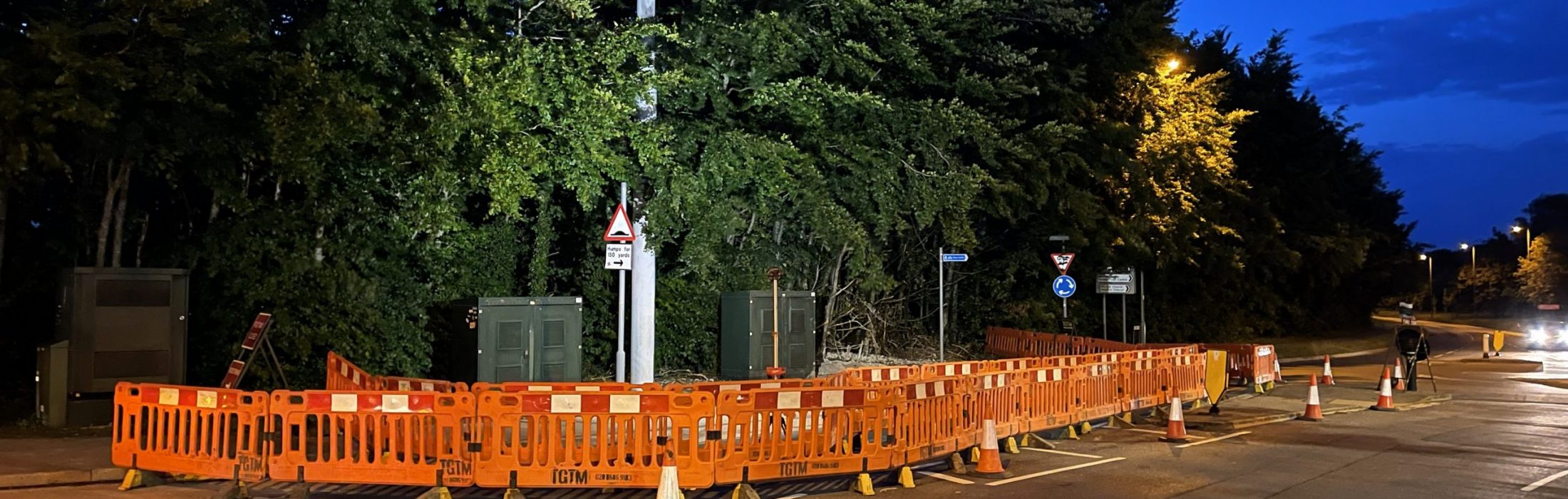
We, alongside TGTM LTD, are proud providers of numerous Traffic Management Plans and Traffic Management services and solutions and our 20+ years of experience allows us to provide an efficient, reliable and prompt service – every single time.